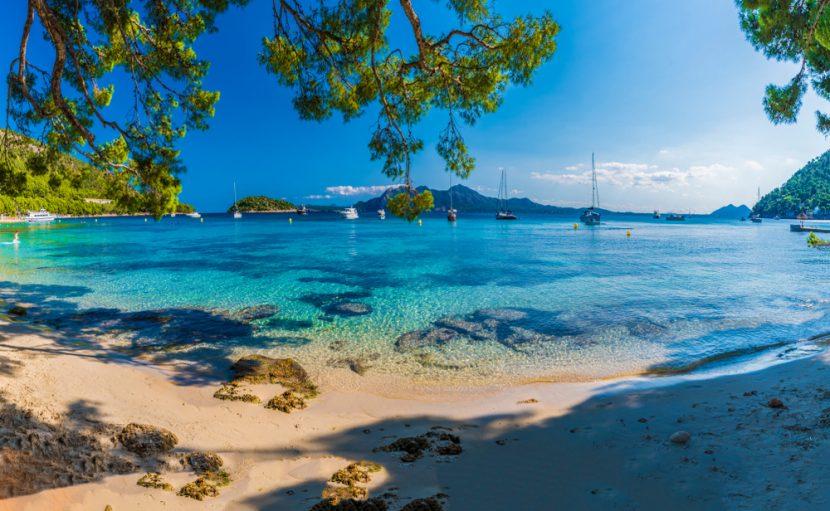
Fascinating fjords, imposing glaciers, fairy-tale islands, Norway offers postcard-perfect landscapes that will remain etched in the memory.
In this wild and spectacular wilderness are modern cities, coastal centres and ancient villages where you can discover Sami culture.
Between the Northern Lights and the Midnight Sun, Norway's skies are a breathtaking spectacle.
Sleigh rides, whale safaris and Arctic nature excursions will complete your trip to Europe's northernmost country. Here is what to see in Norway.
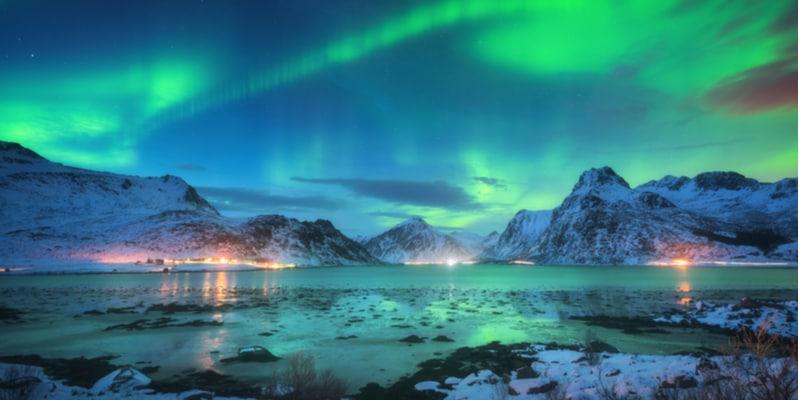
Oslo 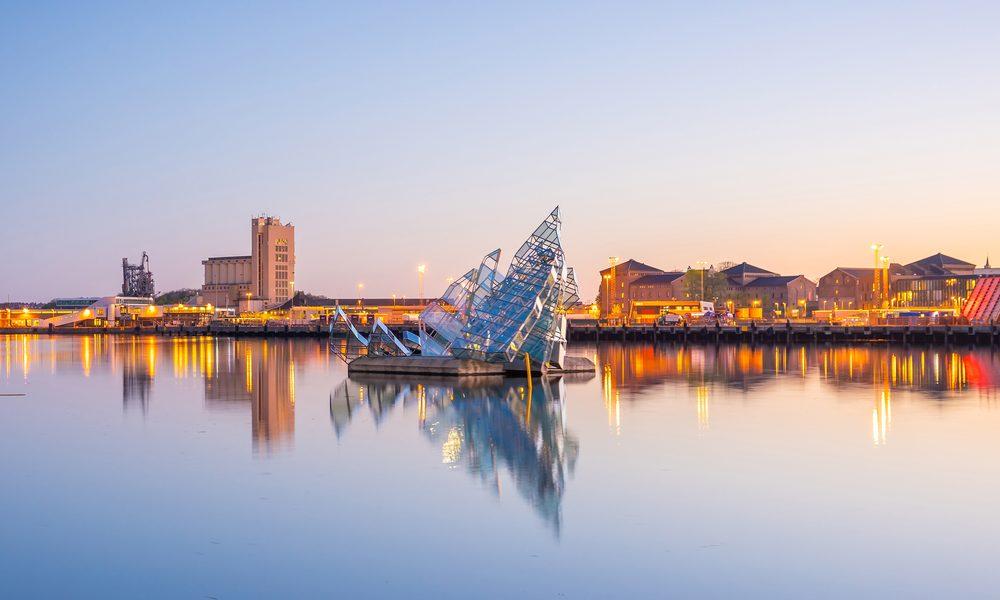 Oslo
Oslo
Capital of Norway, European Green Capital 2019 and gateway to the country, Oslo is also one of Europe's fastest growing capitals.
Framed by mountains and the sea, Oslo is a city surrounded by lush and varied nature, where you can go skiing in the morning and swim in the sea in the afternoon.
Always the beating heart of Scandinavia, not least because of its strategic location, Oslo has become a world-renowned technology hub.
The city is also interesting for its innovative architecture, intense cultural life and amazing nightlife. Oslo's main attractions are the cathedral, Slottsparken Park and the Royal Palace.
Among the museums, visit the National Gallery which houses Norway's largest art collection, the Astrup Fearnley Museet where you can see Jeff Koons' gilded ceramic sculpture Michael Jackson and Bubbles and erotic-themed exhibitions, as well as the Frammuseet, dedicated to the polar ship Fram, designed by renowned naval engineer Colin Archer to withstand the impact of polar ice.
Don't miss the Munchmuseet, the new museum dedicated to the famous Norwegian artist, Edvard Munch, which opened last October. It is a 60-metre, 13-storey arcuate tower on the fjord, clad in reflective, perforated panels of recycled aluminium, which gives an ultra-modern touch to the Oslo skyline.
You could also embark on one of the many mini-cruises along the Oslofjord, which depart from the Aker Brygge area, the beating heart of the city, especially in summer, when people flock to the many outdoor bars and restaurants. Conclude your visit to Oslo with a walk through the beautiful Vigeland Park, where an open-air museum dedicated to the famous Norwegian sculptor of the same name has been created.
After exploring the city, immerse yourself in the surrounding nature with cycling, skiing and island hopping. In the neighbouring regions of Østfold and Vestfold, the charming towns dotted along the coast, such as Fredrikstad and Tønsberg, are worth seeing.
About an hour's drive from Oslo is the new art destination in Norway, Hadeland, where you can visit the Kistefos-Museet with the sensational exhibition space The Twist.
Tromsø and the land of the northern lights 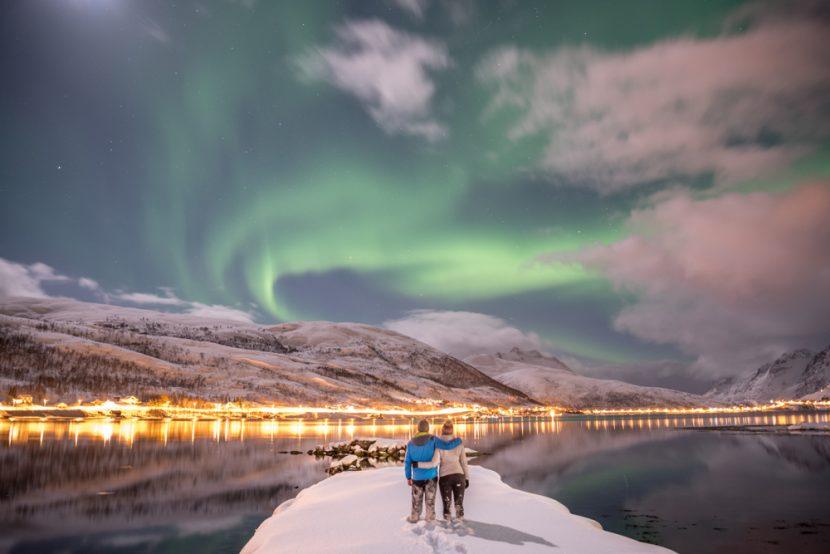 Tromsø
Tromsø is the largest city in northern Norway and is known as the Arctic capital. Located on the island of Tromsøya, connected to the mainland by an arched bridge, Tromsø was once an important centre for fishing for seals and other Arctic animals and the starting point for polar expeditions.
Today, Tromsø is the ideal place to go hunting for the Northern Lights.
In fact, the city lies right in the middle of the auroral oval, the area with the highest probability of sighting the so-called northern lights.
Tromsø is also the base for other Arctic adventures such as dog sledding, whale safaris, snowshoeing or snowmobile tours. In summer, on the other hand, people hunt for the midnight sun, a good excuse to stay out all night.
But in addition to the wonder of its skies, Tromsø also has an interesting centre where you can visit the Domkirke, one of Norway's largest wooden churches, and the Arctic Cathedral, Ishavskatedralen in Norwegian, designed by architect Jan Inge Hovig in a modern style and which has become Tromsø's icon.
Also worth a visit is the Polarmuseet, which tells of the first expeditions to the North Pole. For the best views of the city and the midnight sun, take the cable car to Mount Storsteinen (421 metres).
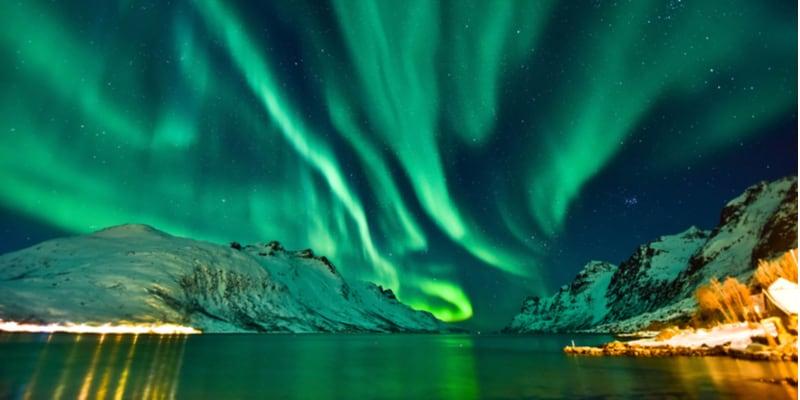
From Tromsø, you can also set off on an exploration of northern Norway.
You can go ski mountaineering and hiking in the Lyngenfjord region, or discover the Sami culture in the towns of Karasjok and Alta, a modern town located just below the auroral oval.
Then drive through Norwegian Lapland to the North Cape, Europe's northernmost point: it is a 307-metre-high rocky plateau that plunges sheer into the water where the Norwegian Sea meets the Barents Sea.
In the easternmost part of Norwegian Lapland, the Varanger peninsula is also worth a visit, a paradise for bird watchers. Here you can try your hand at king crab fishing, take a dog sled ride in Kirkenes and sleep in an ice hotel.
Bergen and the West Fjords 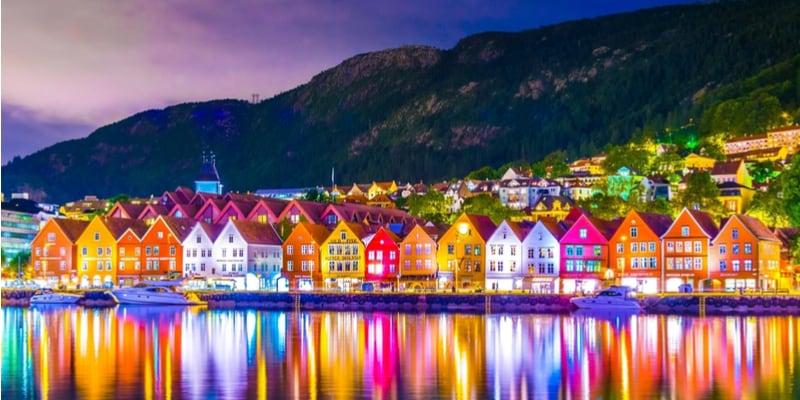
Bergen is Norway's second largest city, enchanting with its characteristic wooden houses with pointed roofs, the vitality of its market and the special light reflecting off the sea.
It was founded in 1070 and was the capital of Norway until 1300. Throughout the 19th century it remained the most populous city and the commercial hub of Norway.
In 2000 Bergen was named European Capital of Culture and in 1979 the Hanseatic quarter of the city, called Bryggen, was named a UNESCO World Heritage Site.
Start with the houses painted red and ochre on the water in this picturesque district to begin exploring Bergen. Not far from Bryggen is the Bergen Fortress. It is actually a collection of attractions from the medieval era that includes the Royal Castle, the Håkonshallen and the Rosenkrantz Tower. Then don't miss a lunch at the bustling fish market and the funicular railway ride to the top of Fløyen Hill.
From a height of 320 metres above sea level, you will see the roofs of Begen's houses and reflections of the sea. Then a visit to KODE, one of Scandinavia's largest museums of art, crafts, design and music, divided into 7 buildings in the city centre, is a must. Here you can admire permanent collections of works by Edvard Munch, JC Dahl and Nikolai Astrup, as well as temporary art and design exhibitions. Finally, 4 kilometres north of the city is the Old Town or Gamle Bergen: an open-air museum where you can stroll among some 50 wooden buildings typical of 18th- and 19th-century Norwegian architecture.
Bergen is also considered the gateway to some of Norway's most famous fjords, including the Sognefjord, Norway's longest and deepest fjord, and the Hardangerfjord to the south, where the famous Trolltunga plateau is located.
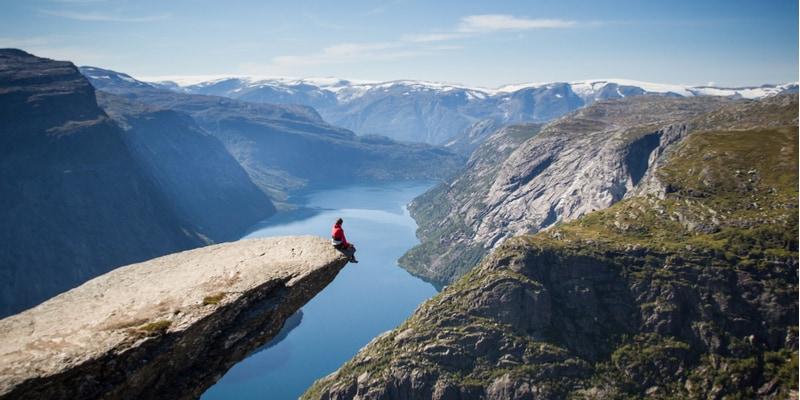
It is a thin spur of rock jutting out into the void, 1100 metres above the Ringedalsvatnet lake in south-west Norway.
Trolltunga means tongue of the troll, and is one of the most spectacular places in Europe. A 20 km walk takes you to the top of this uniquely shaped rock that inevitably evokes the imagery of Scandinavian mythology.
Among the villages on the West Fjords, it is also worth going to Flåm, which can be reached by the Flåm Railway, voted one of the most beautiful train journeys in the world.
Norwegian fjords 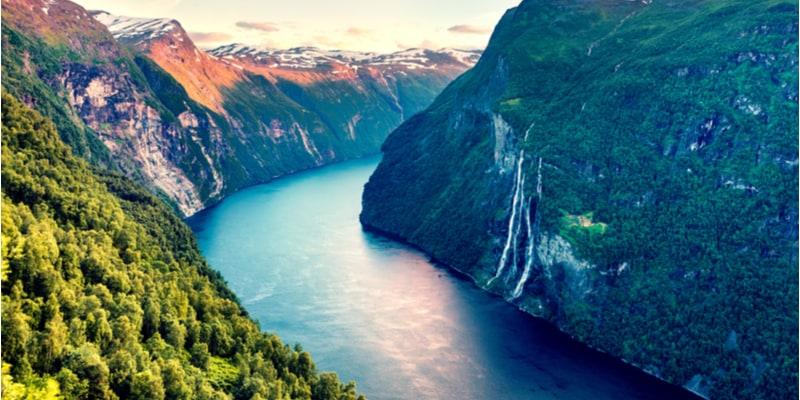
A UNESCO World Heritage Site, the Norwegian fjords represent the beauty of Norway.
Its jagged Atlantic coastline has deep inlets, which creep hundreds of kilometres inland, forming enchanting landscapes.
They resemble placid blue lakes, but of salt water. The fjords are actually stretches of sea protected by majestic mountains. Norway has more than a thousand fjords but the most iconic ones are Nærøyfjord, Sognefjord, Lysefjord and Geirangerfjord.
In particular, the Nærøyfjord and Geirangerfjord, among the longest and deepest, are Norway's most famous fjords, declared World Heritage by Unesco for their exceptional natural beauty due to the rock walls rising up to 1400 metres above sea level and 500 metres below. The fjords are also often interconnected and it is possible to sail from one to the other or back to the sea.
So don't miss out on a fjord cruise that will let you discover the Norway of the past among charming water villages and remote farms, perched on sheer mountains or gentle slopes.
Whether by car, boat or on foot, you can explore these fairytale landscapes past waterfalls, forests, glacial lakes, glaciers and enchanting valleys.
Stavanger 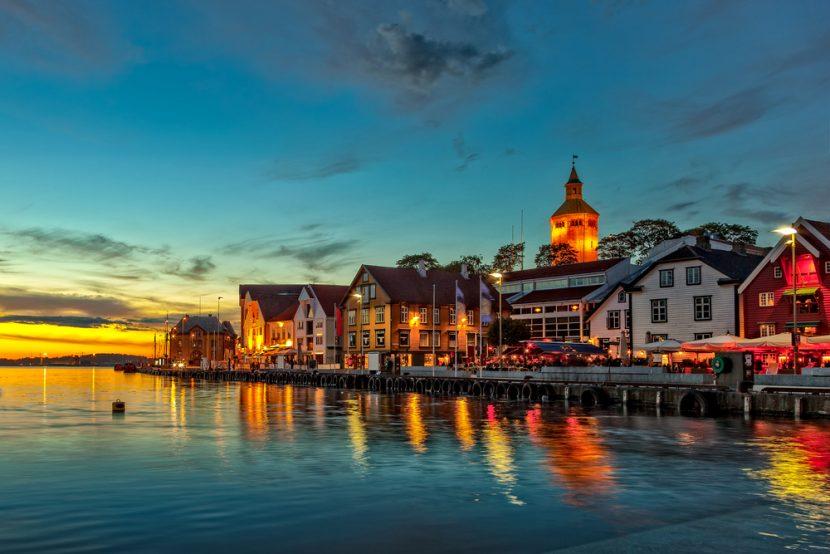 Stavanger
It is nicknamed the 'oil city' because it is home to Statoil, Norway's largest oil company, which has made the city's fortune.
Stavanger is a Norwegian coastal town that attracts visitors for its innovative museums and old buildings.
Although it is a modern city with an industrial character, Stavanger has a beautiful old town that boasts the most beautiful and best-preserved wooden buildings in Norway, many dating back to the 18th century.
The most interesting part is the old town, or Gamle, west of the harbour, which is considered Norway's largest wooden town. Admire Stavanger Cathedral, Norway's oldest cathedral dating back to 1100. Visit the various museums, including one dedicated to oil, and don't miss the Ladaal, an Empire-style building from the 1800s that now serves as the royal family's summer residence.
Stavanger is the ideal starting point to reach some famous natural attractions such as the Lysefjord and the Preikestolen (the Pulpit), a peculiar rock formation towering 604 metres above the fjord. The path to get there is one of the most famous in Norway and attracts 300,000 hikers every year.
In the Stavanger region, the Jæren coastline attracts beach-goers with some of the largest white sand beaches in Norway. The North Sea Route towards Egersund will take you to charming towns and villages, such as the picturesque Sogndalstrand.
Trondheim and the Trøndelag 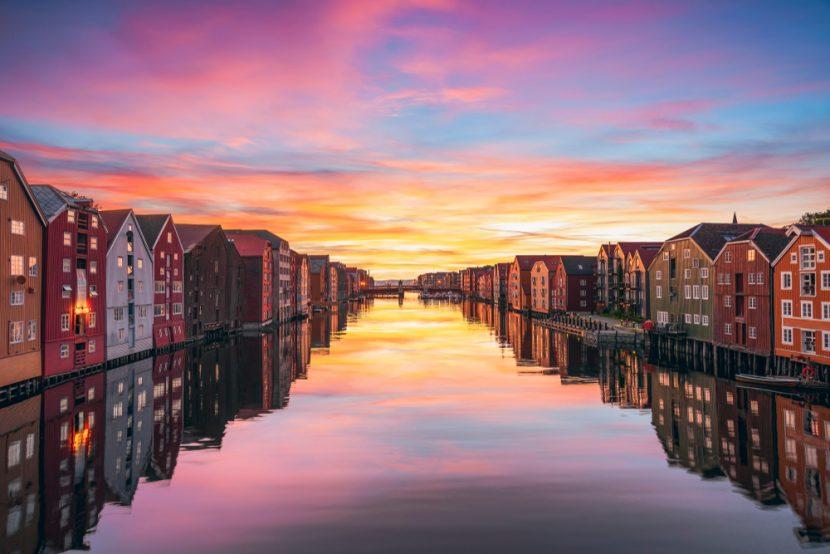 Trondheim
Trondheim is one of the most photogenic cities in Norway, enchanting with its colourful old warehouses, waterways and wooded hills.
Trondheim is also known as a lively university town and the 'home of Nordic taste' where you can indulge in a gastronomic experience in a starred restaurant.
It is the beating heart of the Nordic region Trøndelag and is, in size, the third largest city in the country but remains a quiet destination, ideal for walking around. In the historical centre, you will discover Europe's northernmost Gothic cathedral and the most important church in Norway, and not far away the Archbishop's Palace, Erkebispegården in Norwegian, the oldest secular building in Scandinavia.
Trondheim therefore holds several records. Another is Stiftsgården, the largest wooden palace in Scandinavia.
From the late Baroque period, the Stiftsgården was built as a private residence at the end of the 18th century and has 140 rooms. Today, it is the official residence of the royal family in the city. Don't miss the palace garden, one of Trondheim's most enchanting corners. The city then surprises with the Rockheim, the museum dedicated to rock music.
Finally, take a walk to Kristiansten Fortress for a panoramic view of the city. After exploring the city, set out to discover eco-activities and local food along the Golden Road in the Innherred, take a trip back in time to the Unesco heritage mining town of Røros, or climb the Dovrefjell mountains in search of the mighty musk ox.
Kristiansand and Southern Norway 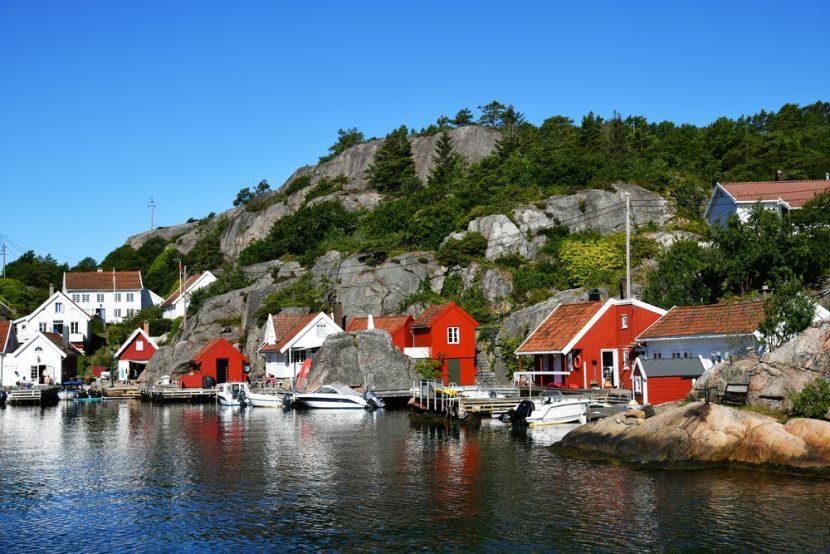 Kristiansand
Southern Norway is the summer destination for Norwegians attracted by beautiful beaches, thousands of islands and more hours of sunshine per year than in the rest of the country. The largest city in southern Norway is Kristiansand, along the beautiful south coast.
Founded in 1641 by Christian IV, after whom it was named, Kristiansand is Norway's closest port to Denmark.
Here you can wander around the old town, the Posebyen district, eat fresh fish and stroll along the waterways.
A short distance from the city is Under, the incredible Michelin-starred restaurant, the largest underwater restaurant in the world.
But many other charming coastal towns such as Risør, Arendal, Grimstad, Mandal and Flekkefjord are also worth a visit. The Setesdal Valley, on the other hand, offers a journey into Norwegian tradition and folklore.
Mountains and valleys of eastern Norway 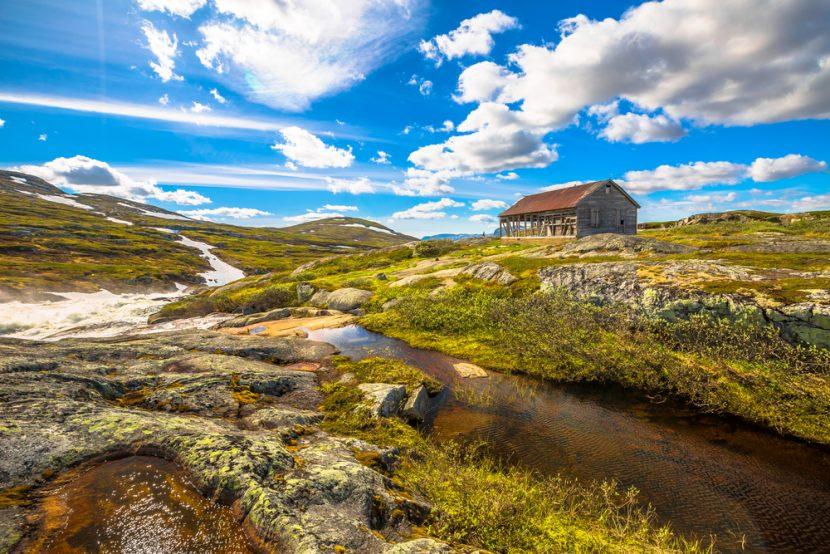 Geilo
Geilo
Majestic forests, wide valleys and imposing plateaus characterise eastern Norway, which offers numerous destinations for nature lovers.
Some of Norway's largest ski resorts are located here, such as Geilo, Trysil and Hemsedal, which turn into ideal cycling destinations as soon as the snow disappears.
Valdres, Hallingdal, Lillehammer and the Gudbrandsdalen valley, on the other hand, are destinations that attract families with children, who will enjoy theme parks, farms and nature excursions.
It is also worthwhile to sail the Telemark Canal and admire one of the most spectacular views of eastern Norway from Gaustatoppen Mountain.
Sportsmen and nature lovers will find their paradise in the national parks of Dovrefjell, Jotunheimen and Rondane, where they can enjoy hiking, cycling, rafting and climbing.
Lofoten Islands 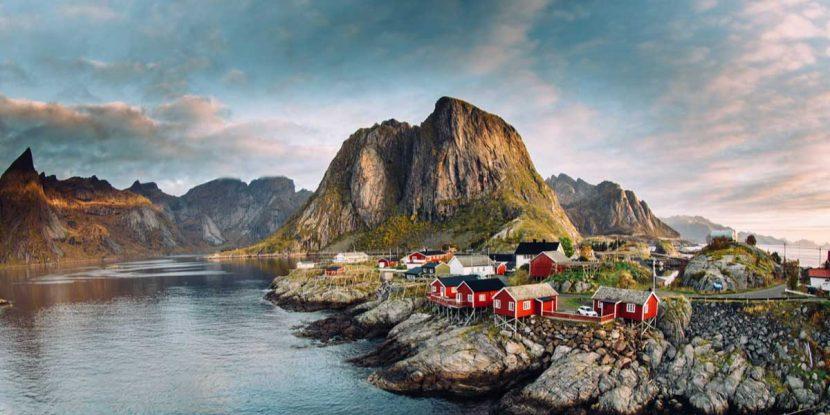 Lofoten
A fairy-tale landscape of water, land and light where nights sparkle with the midnight sun and the northern lights.
The Lofoten Islands are an archipelago in Norway, stretching northwest between the counties of Nordland and Troms.
They lie about 200 km above the Arctic Circle, but have a much more temperate climate than many other places at the same latitude, thanks to the influence of the Gulf Stream.
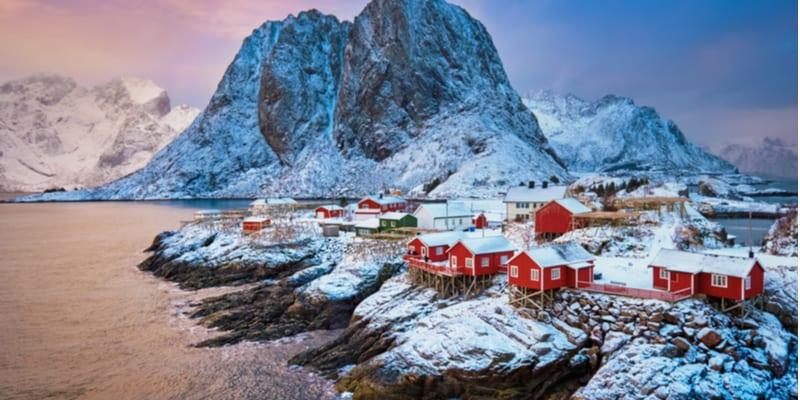
The Lofoten Islands captivate with their strikingly beautiful landscape: breathtaking fjords, majestic mountains and sheer cliffs between which hide fishing villages dating back to the Viking era.
The archipelago has a total area of 1,227 km² and a population of around 25,000. The main islands are Austvågøy, Gimsøy, Flakstadøy, Varøy, Vestvågøy, Moskensøy and Røst. They are separated from the mainland by Vestfjorden, but are all connected by bridges and scenic roads.
You can move from island to island by kayak to slowly admire this Nordic paradise in the Norwegian Sea from the water. But also go fishing for Nordic cod, skiing, hiking, rafting, surfing or diving. Because nature is king here.
The Norwegian poet, writer and playwright, Bjørnstjerne Bjørnsons, was right when he said: 'You cannot say you have seen nature in its authenticity if you have not been to Norway first, and the most beautiful place is the Lofoten Islands'.
The Norwegian archipelago has also been certified as a Sustainable Destination for its efforts to reduce the negative impact of tourism.
Vesterålen Islands 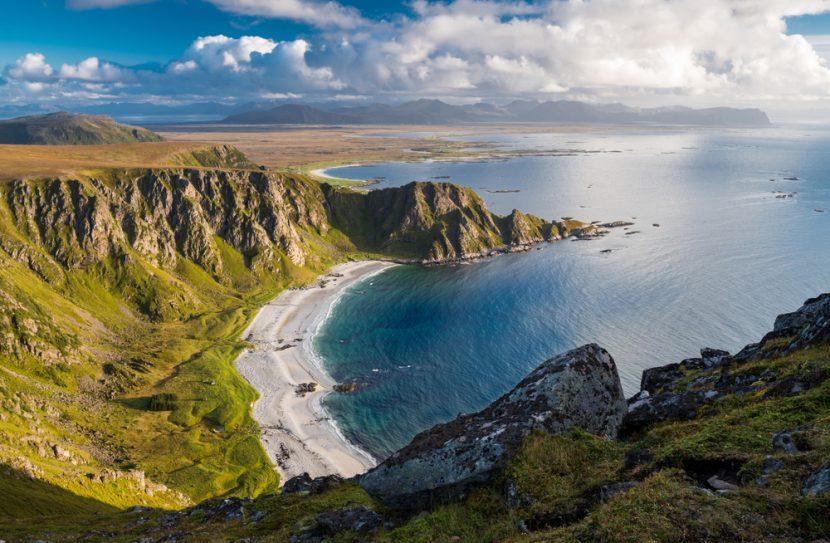 Vesterålen
The Vesterålen are another Norwegian archipelago of islands, north of the Lofoten Islands from which to admire the beautiful northern lights. Islets and open sea, alpine mountains and endless heaths, beaches and fjords surrounded by craggy peaks invite you to relax.
The experience not to be missed on these islands, however, is a visit to an indigenous Sami family to discover their culture and tales of polar nights.
Svalbard Islands 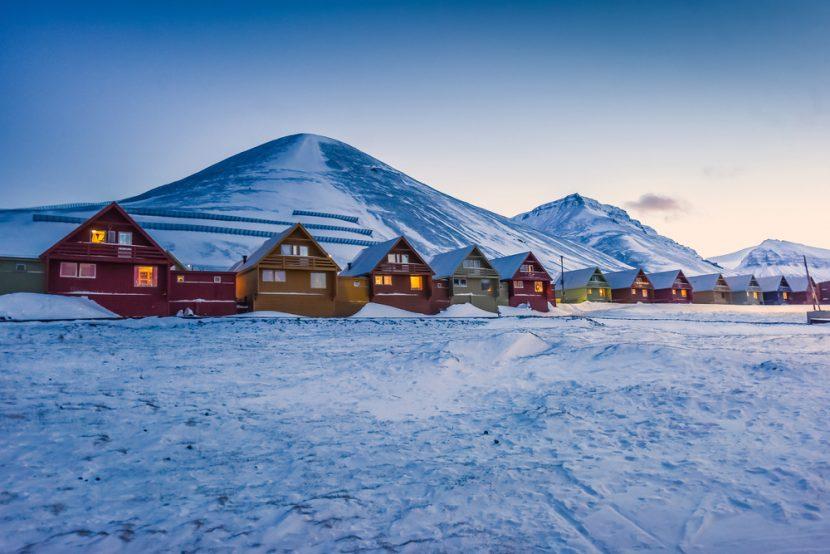 Svalbard
Svalbard is another island kingdom with frozen fjords, glaciers, soaring mountains and rare Arctic wildlife including polar bears.
They are located in the middle of the Arctic Ocean, halfway between Norway and the North Pole. And they are the perfect place to admire the Northern Lights or explore the pristine Arctic landscapes under the northern lights.
From early spring until autumn the midnight sun creates an endless day, but during the polar night from November to February there is no daylight in Longyearbyen. This is why travellers from all over the world come to admire the Northern Lights dancing in the sky.
Located 900 kilometres north of Norway and 1,300 kilometres from the North Pole, the town of Longyearbyen offers unique conditions for viewing the northern lights, which can even appear at noon during polar nights. In October and February, one can enjoy the Arctic blue light during the day and the Northern Lights at night.
What to eat in Norway
In Norway, you will taste some food you never thought you would taste. The basic ingredient of Norwegian cuisine is fish: not only fresh salmon and cod, but also stockfish.
They call it tørrfisk and it doesn't exactly smell good, but the Norwegians say it is the smell of money, since it is the fish on which Norway was built.
Stockfish is not salted but dried in the wind and sun on giant wooden racks on the Lofoten Islands and elsewhere in northern Norway. You can try it grilled, boiled or baked, or even in the form of thin, dried slices.
Among the many recipes with stockfish, try lutefisk, treated with water and caustic soda, which at Christmas is served with bacon and schnapps.
Try the traditional long-ripened cheeses with their intense flavour such as gamalost, pultost or the award-winning blue cheese Kraftkar.
Don't miss the typical brown cheese or brunost. Another traditional Norwegian dish is Smalahove (sheep's head), which is still eaten especially in fjord Norway. If it makes an impression on you, you could try sheep in lamb stew, fårikål. Among other traditional specialities, try pinnekjøtt (salted and dried mutton ribs), fried cod tongue, Rakfisk (fermented trout), gravlaks (marinated salmon), Norwegian caviar to be enjoyed on a slice of bread perhaps with boiled eggs, sursild (pickled herring), Norwegian king crab, whale usually accompanied by a berry jam, reindeer meat whose heart is also eaten, often served smoked or dried.
Then get ready for other delicacies such as sea urchins, cod liver oil, seaweed and Atlantic redfish brain.
If nothing on the menu inspires you, you might save yourself with Norwegian-style dumplings, which go by different names depending on the place: raspeball, ball, potetball or komle. They are a kind of potato dumpling, accompanied by bacon and a glass of milk. To finish lunch and dinner like perfect Vikings, ask for a schnapps, Norway's national drink, or a gløgg, a Norwegian mulled wine to warm you up in winter.
Getting around in Norway
Once you have landed by plane in Oslo, it is very easy to get around Norway. A rail network of over 3000 km stretches from Kristiansand in the south to Bodø beyond the Arctic Circle. An extensive bus network connects the entire country.
Ships, ferries and boats offer pleasant cruises to even the most remote parts of Norway.
It is also possible to travel in a sustainable way. Bicycles and electric cars are becoming increasingly popular in Norway, and electric ferries and other means of transport have been introduced to make travelling greener.
When to go to Norway
The best time to go to Norway is spring or summer when the days are longer and the temperatures higher.
In the summer months it is also possible to swim and enjoy water sports on the sunniest days.
Skiers and winter sports enthusiasts, on the other hand, clearly prefer winter. In addition, the period between the end of September and the end of March is the best time to go hunting for the Northern Lights in northern Norway.
Map and map
Norway